Living in fear is not an OptionOvercome Domestic Violence
 Domestic abuse does not always begin with physical violence. It can involve intimidation, humiliation, controlling behaviour, manipulation and emotional or psychological abuse. Sometimes these behaviours occur alongside physical violence; in other situations, they may be difficult to recognize because they happen gradually or only at certain times. A relationship can appear normal from the outside while the person experiencing abuse feels increasingly anxious, confused or trapped.After all, they don’t manifest all the time. It is often even hard to know what is going on or what is behind you partner’s sudden outbursts of anger. Even if you know that something is wrong, it is not enough to know what to do about itUnderstanding what is happening can be an important first step.
It is not always easy to understand what is behind a partner's sudden anger or changes in behaviour. There may be arguments followed by apologies and promises that things will change. A partner may blame you for their behaviour or make you feel responsible for problems within the relationship. There may also be periods when everything appears calm again. This can make it difficult to recognize a pattern.
Someone experiencing emotional abuse may begin asking:
Am I overreacting? Was the situation really abusive? Did I somehow cause the argument? Why does my partner behave differently at other times? Will things eventually change? Why is it so difficult to leave? These questions can become particularly difficult when fear, affection, dependency and hope are all part of the same relationship.
Hearing assurances and promises of change or even blaming for past wrongdoings adds to confusion.
Domestic violence is not limited to physical assault. Intimate partner violence can include physical, sexual and psychological harm, as well as controlling behaviours. Psychological abuse can involve intimidation, humiliation, threats, manipulation and isolation. World Health Organization: Violence Against Womennbsp;
When facing violence or being overwhelmed with emotional issues, it may be hard to leave.
The key to knowing how to deal with domestic violence or abuse is understanding what is going on. Burning the Soul Dealing with Emotional Child Abuse 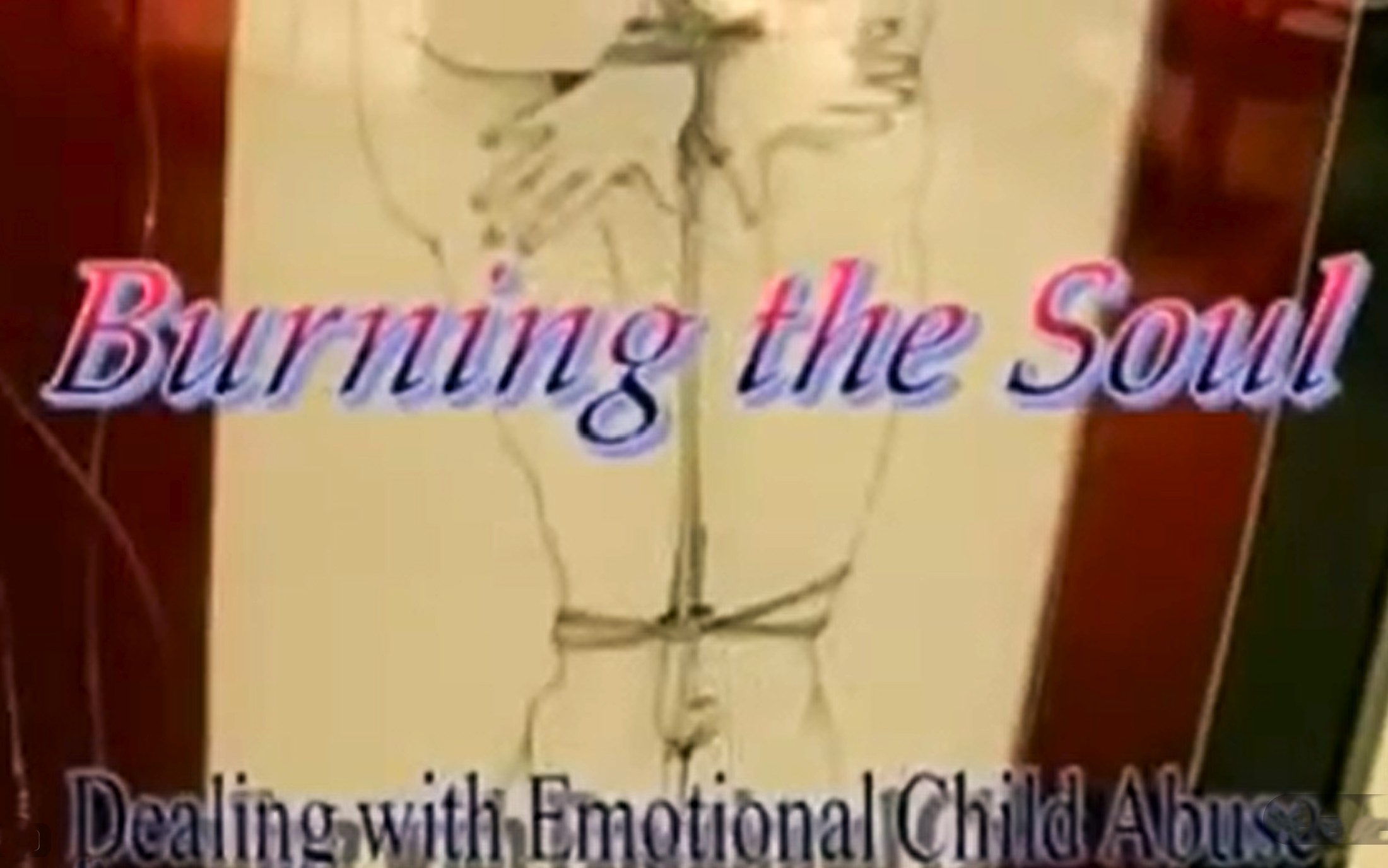
Preview restricted to viewers 18+ on YouTube. Watch the preview | Buy the full documentary on Amazon Through this guide you can find answers to:
This guide will benefit those who want to resolve family issues and conflicts. Psychologists have recognised that this guide has insights relevant in troubled relationships.
PSYCHOLOGY OF ABUSE Why can abuse be so difficult to deal with? People sometimes assume that leaving an abusive relationship is simply a matter of making a decision. In reality, many circumstances can make an abusive relationship difficult to leave or even difficult to understand. A person may be financially dependent on their partner, isolated from friends and relatives, responsible for children, concerned about housing or worried about what might happen if they leave. Emotional attachment can also make the situation complicated. Someone can love their partner and still be harmed by their behaviour. Promises of change can create hope, particularly when periods of affection or calm follow episodes of abuse. When the same pattern repeatedly returns, however, it may become important to look at the relationship as a whole rather than at individual incidents. Underlying nature of abuse 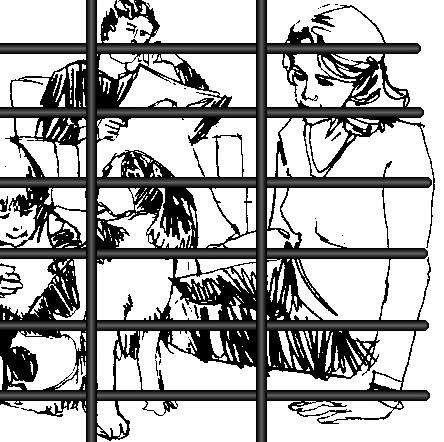
Understanding abusive behaviour does not mean excusing it. There are many different circumstances and patterns associated with domestic violence and emotional abuse. Alcohol or drug use may contribute to some situations, but substance use does not by itself explain or justify abusive behaviour. Similarly, not everyone who behaves abusively has a mental-health or personality disorder. It is therefore important to avoid assuming that a particular diagnosis explains an abusive relationship. Instead, this website focuses on recognizing behaviours and relationship patterns that can help people understand what they may be experiencing.. The repetitive nature of abusive behaviour Abusive behaviour can occur repeatedly. A period of aggression may be followed by an apology, an explanation or a promise that things will be different. The relationship may then appear calmer before similar behaviour occurs again. Recognizing repetition can be important because individual incidents may look very different when considered separately from the larger pattern. Control and isolation 
Control can take many forms. A partner may attempt to control where the other person goes, whom they meet, what they do, how they spend money or how they communicate with other people. Isolation can make an abusive relationship even more difficult to understand because the person experiencing it may have fewer opportunities to discuss what is happening with someone outside the relationship. Why abusive partners are unable to judge their own behaviours? Partners who are abusive may suffer from borderline personality disorder, where aggressive behaviours elicit violence. Their attitudes are provoked by experiencing so called 'splitting' characterised by extreme views of others and their behaviours as either extremely good or extremely bad to the point of ideation or hatred. Abusive individuals who perceive their partners as extraordinarily good or bad will make unrealistic interpretations of what is happening in their relationships as well. This in itself can lead to conflicts.
You will know better of how to handle problems in your family as well as will be able to understand better issues affecting your relationship, including how they arise. Various helpful guidelines are delivered also through commentaries that are part of both the book and the documentary.
. |




